Have you ever wondered why the name of Lord Murugan brings a deep sense of courage, hope, and divine connection to countless devotees? Why do people observe Kanda Sashti Viratham with unwavering faith, believing that the grace of Murugan can guide them through life’s most difficult moments?
Kanda Sashti is not merely a period of fasting. For Murugan devotees, it is a sacred journey of surrender, spiritual discipline, inner transformation, and deep connection with the divine.
Lord Murugan, the radiant son of Lord Shiva and Goddess Parvati, is worshipped as the embodiment of wisdom, courage, divine energy, and victory over negative forces. His Vel, the sacred spear, represents the power of divine knowledge that destroys ignorance and illuminates the path towards truth.
During Kanda Sashti, devotees turn their thoughts towards Murugan, chant his sacred names, visit temples, and offer prayers with sincere hearts. Many believe that this auspicious period strengthens their connection with the divine and brings them the courage to face challenges with renewed faith.
When human effort reaches its limits, faith in Murugan can become a source of courage. When the mind is clouded by uncertainty, his divine name can become a prayer for clarity. And when the path ahead seems difficult, devotion can help the heart discover the strength to move forward.
In the spiritual world of Murugan bhakti, every sincere prayer becomes an expression of trust, every act of devotion becomes a step towards inner growth, and every remembrance of his name becomes an invitation to live with greater courage and wisdom.
Let us explore the spiritual glory of Kanda Sashti Viratham, the divine significance of Lord Murugan’s Vel, and the profound faith behind this sacred observance.
1. What Is Kanda Sashti Viratham? The Sacred Power of Six Days of Devotion
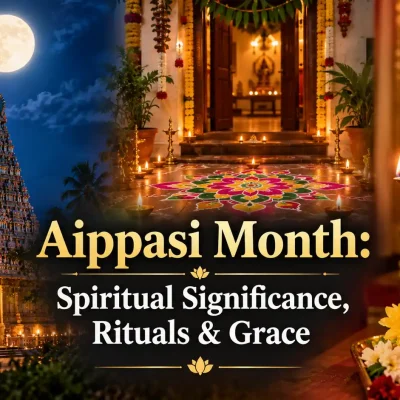
Kanda Sashti is one of the most significant festivals dedicated to Lord Murugan. It is observed during the Tamil month of Aippasi, generally around October or November, according to the Hindu lunar calendar.
The observance commemorates Lord Murugan’s victory over the asura Surapadman, as described in the traditional account of the Kanda Puranam.
For devotees, the six-day observance is a period of prayer, self-discipline, reflection, and surrender to Murugan’s divine grace.
The number six holds a special place in Murugan worship. Lord Murugan is known as Arumugan, the six-faced Lord, and is associated with the six sacred abodes known as the Arupadai Veedu. These connections make the six-day observance especially meaningful within Murugan’s devotional tradition.
During these days, devotees may observe fasting according to their health and family traditions, chant Murugan mantras, read sacred texts, attend temple worship, and focus their minds on the divine.
But the deeper significance of Kanda Sashti lies beyond the external observances.
It is an opportunity to reduce distractions, strengthen self-control, and bring the mind closer to the values represented by Murugan — courage, wisdom, humility, and righteousness.
Kanda Sashti is a sacred invitation to move away from inner confusion and walk towards the light of divine wisdom with faith in Lord Murugan.
2. Lord Murugan – The Divine Power Who Guides Devotees Through Difficult Paths
In Hindu tradition, Lord Murugan is revered as the God of wisdom, courage, victory, and spiritual knowledge.
He is also known by sacred names such as Skanda, Kandan, Subramanya, Shanmuga, and Saravana Bhava. Each name carries its own devotional significance and reminds devotees of his divine qualities.
Murugan is often portrayed as youthful and radiant, holding the Vel that represents spiritual knowledge and divine power.
His peacock mount symbolises the mastery of pride and restless impulses in traditional interpretations, while his presence inspires devotees to approach life with confidence and discipline.
For many devotees, Murugan is not simply a deity worshipped during festivals. He is a source of spiritual strength during uncertainty, a focus of prayer during difficult decisions, and a divine presence to whom they surrender their worries and hopes.
When life does not unfold as expected, remembering Murugan can help devotees reconnect with their inner courage. Prayer may not instantly remove every obstacle, but it can strengthen the patience, clarity, and determination needed to face it.
Murugan’s grace is sought not only to overcome the obstacles before us, but also to awaken the courage within us to overcome the obstacles we carry within.
This is the beauty of Murugan bhakti: devotion becomes a relationship of trust, and that trust can inspire us to move forward with greater strength and purpose.
3. Surasamharam – The Divine Victory That Reveals the Power of Goodness
The central spiritual story associated with Kanda Sashti is Surasamharam, the defeat of Surapadman by Lord Murugan.
According to the traditional narrative, Surapadman and his forces challenged the divine order. Lord Murugan confronted these forces and ultimately achieved victory, restoring balance and righteousness.
The story is celebrated as a powerful symbol of the triumph of good over evil.
But its spiritual meaning reaches beyond the battlefield.
Surapadman can also be understood symbolically as representing the inner forces that disturb our peace — pride, anger, greed, jealousy, and ignorance. These qualities can cloud judgement, damage relationships, and lead us away from wisdom.
Murugan’s victory invites us to confront these inner challenges through self-awareness, discipline, compassion, and spiritual understanding.
The Vel becomes a symbol of the wisdom that cuts through confusion. Murugan’s courage reminds us to stand firm in what is right. His victory inspires us to believe that destructive tendencies do not have to control our lives.
Surasamharam is more than a celebration of divine victory; it is a reminder that the light of wisdom can overcome the darkness of ignorance.
When devotees witness or remember Surasamharam during Kanda Sashti, they are invited to reflect on the qualities they wish to leave behind and the virtues they wish to strengthen.
The most meaningful victory is not simply the defeat of an external enemy. It is the awakening of wisdom that enables us to live with greater peace, courage, and righteousness.
4. The Divine Vel of Murugan – A Sacred Symbol of Wisdom, Protection, and Clarity
Among the most recognisable symbols of Lord Murugan is his sacred Vel.
According to Hindu tradition, Goddess Parvati gave the Vel to Murugan, and it became the divine weapon through which he defeated Surapadman.
Spiritually, the Vel is widely understood as a symbol of divine wisdom, discernment, courage, and the destruction of ignorance.
Its pointed form reminds devotees of the importance of clear understanding. Just as a sharp point penetrates what lies before it, spiritual wisdom helps us look beyond confusion and recognise what is true and meaningful.
During Kanda Sashti, devotees often pray to Murugan’s Vel for courage, protection, and the strength to overcome difficulties.
This prayer is not simply about asking for problems to disappear. It can also be a request for the wisdom to recognise the right path, the strength to make difficult decisions, and the patience to continue when results take time.
When the mind is troubled, devotees may remember Murugan’s Vel as a symbol of clarity. When fear rises, they may turn to it as a symbol of courage. When pride or anger creates conflict, they may reflect on its spiritual message of cutting through ignorance.
Spiritual Prayer: May Murugan’s Vel remove the darkness of ignorance, strengthen the light of wisdom, and guide every sincere devotee towards the path of dharma.
This is why the Vel holds such a powerful place in Murugan worship: it represents not only divine might, but also the spiritual clarity needed to live wisely.
5. Will Lord Murugan Fulfil Our Prayers? The Spiritual Meaning of Surrender
One of the deepest beliefs among Murugan devotees is that sincere prayers offered to him are never meaningless.
Devotees turn to Murugan with many hopes: peace in their families, strength during difficult times, success in their efforts, clarity in their decisions, and the courage to begin again.
In devotional tradition, Lord Murugan is regarded as a compassionate divine presence who listens to the prayers of his devotees. Many believers feel that his grace guides them towards the right opportunities, strengthens them during challenges, or gives them the patience to accept what cannot immediately be changed.
The idea that Murugan will guide a devotee’s prayers towards the right outcome is an expression of faith and surrender.
Yet divine grace should not be treated as a guarantee that every request will be fulfilled exactly as imagined or within a particular time.
Sometimes, the spiritual value of prayer lies in the courage it awakens. Sometimes, it lies in the wisdom to recognise a different direction. At other times, it gives the heart peace while a person continues to work towards a meaningful goal.
Prayer and personal effort can walk together. Devotion can strengthen determination, while thoughtful action helps us respond to the opportunities and responsibilities before us.
When you surrender your prayers to Murugan, do so with faith in his grace, courage in your heart, and the willingness to take the right steps in your life.
For a devotee, surrender does not mean giving up on life. It means placing one’s worries before the divine while continuing to act with sincerity, patience, and dharma.
6. Why Is Fasting Observed During Kanda Sashti?
Fasting is an important part of Kanda Sashti for many devotees, although the form of observance varies according to individual circumstances, health, and family tradition.
Spiritually, fasting is associated with self-discipline, simplicity, and the conscious redirection of attention towards prayer.
The purpose is not to punish the body or prove the strength of one’s devotion through suffering. Rather, it is to cultivate awareness and make room for reflection.
Some devotees observe a simple vegetarian diet, while others follow specific traditional fasting practices. Some focus on temple worship, mantra chanting, and reading sacred texts.
The deeper meaning lies in the intention behind the observance.
- Can we become more patient?
- Can we reduce unnecessary anger?
- Can we speak more thoughtfully?
- Can we spend less time on distractions and more time in prayer or meaningful service?
These are valuable questions to carry through the six days.
Fasting should always be appropriate to one’s health and circumstances. Anyone who is unwell, taking medication, pregnant, or otherwise advised not to fast should prioritise health and follow suitable medical guidance. Devotion can be expressed through prayer and good actions without restrictive fasting.
The true strength of a viratham is not measured by how much the body endures, but by how sincerely the mind turns towards the divine and how meaningfully our conduct improves.
Kanda Sashti offers devotees an opportunity to practise discipline with devotion and carry that discipline into everyday life.
7. The Power of Chanting Murugan’s Sacred Names
Murugan worship has a rich tradition of sacred names, mantras, devotional songs, and hymns. Chanting can help devotees focus their attention, express love for the divine, and create a regular space for spiritual reflection.
One of the widely revered mantras associated with Lord Murugan is:
“Om Saravana Bhava”
This sacred invocation is deeply connected with Murugan devotion. Many devotees chant it during prayer, meditation, temple worship, or moments of reflection.
Another familiar devotional expression is:
“Vetri Vel! Veera Vel!”
This celebrates Murugan’s Vel as a symbol of divine victory and courage.
Devotees also chant “Om Subramanyaya Namah” as an expression of reverence for Lord Subramanya.
The purpose of chanting is not simply to repeat sounds. When performed with concentration and sincerity, it can become a way of gathering scattered thoughts, calming the mind, and deepening one’s devotional connection.
During Kanda Sashti, devotees may chant these sacred names while reflecting on Murugan’s virtues and the spiritual meaning of Surasamharam.
Let Murugan’s name become the prayer you return to when your mind feels restless, the remembrance that strengthens your courage, and the sacred sound that brings your attention back to faith.
There is no need to measure devotion only by the number of repetitions. A short prayer offered with sincerity can be meaningful, just as regular chanting can help build a steady spiritual practice.
8. Kanda Sashti and the Six Sacred Abodes of Lord Murugan
The Arupadai Veedu — the six sacred abodes of Lord Murugan — occupy a special place in Tamil devotional tradition.
They are:
- Thiruparankundram – traditionally associated with Murugan’s divine marriage to Deivanai.
- Tiruchendur – deeply associated with the victory of Murugan over Surapadman.
- Palani – renowned for the worship of Dhandayuthapani, Murugan in the form of the ascetic youth.
- Swamimalai – associated with the sacred teaching in which Murugan explains the meaning of the Pranava mantra, Om, to Lord Shiva.
- Thiruthani – associated in tradition with peace and the Lord’s divine presence after the battle.
- Pazhamudircholai – celebrated for its natural beauty and its association with Murugan’s divine grace.
These six shrines represent important dimensions of Murugan worship and the rich spiritual heritage of Tamil Nadu.
For devotees, visiting these temples can be a meaningful pilgrimage. Those unable to travel can still remember the sacred abodes through prayer, devotional reading, and reflection on Murugan’s qualities.
The significance of the Arupadai Veedu is not merely geographical. Each shrine carries stories and teachings that invite devotees to deepen their understanding of Murugan’s divine presence.
Wherever a devotee remembers Murugan with sincerity, that remembrance can become a personal space for prayer, reflection, and renewed faith.
9. How to Observe Kanda Sashti with Devotion at Home
Not everyone can visit a Murugan temple during Kanda Sashti, but devotees can observe the period at home in simple and meaningful ways.
- Prepare a clean prayer space: Arrange a picture or idol of Lord Murugan according to your household tradition.
- Light a lamp safely: Begin your worship with a traditional lamp if it is part of your practice, and offer a sincere prayer.
- Chant Murugan’s name: Recite Om Saravana Bhava, Om Subramanyaya Namah, or another familiar Murugan prayer.
- Read or listen to devotional texts: You may read passages from the Kanda Puranam or listen to traditional Murugan devotional hymns.
- Reflect on the meaning of Surasamharam: Consider which qualities you wish to strengthen, such as patience, courage, humility, or self-control.
- Observe fasting only if suitable: Follow a form of observance that is safe for your health and appropriate to your circumstances. Elaborate fasting is not the only way to express devotion.
- Practise kindness and charity: Offer food, help someone in need, or perform a thoughtful act of service in Murugan’s name.
- End the day with gratitude: Thank Murugan for the strength to face life’s challenges and ask for wisdom to make good decisions.
The heart of Kanda Sashti is sincere devotion. These practices are suggestions, not compulsory requirements, and can be adapted to family and temple traditions.
A prayer offered with faith, a mind guided by wisdom, and a hand extended in kindness can bring the spirit of Murugan worship into everyday life.
10. The Deeper Spiritual Blessing of Kanda Sashti – Becoming Stronger Through Faith
Many devotees approach Kanda Sashti with prayers for peace, progress, family well-being, and relief from difficulties.
These hopes are a natural part of a life rooted in faith. But the spiritual blessings associated with Kanda Sashti can also be understood through the qualities the observance encourages within us.
- Courage: Murugan’s victory inspires devotees to face difficulties without surrendering to fear.
- Wisdom: The symbolism of the Vel encourages clear thinking and discernment.
- Self-discipline: The observance invites devotees to practise restraint and act with greater awareness.
- Humility: Surrender to the divine reminds us that we do not have to rely on pride alone.
- Compassion: True devotion can inspire us to treat others with patience, kindness, and respect.
- Hope: Murugan’s divine victory reminds devotees that difficult circumstances need not extinguish their hope.
These qualities can influence the way we respond to challenges, make decisions, and care for the people around us.
The spiritual significance of Kanda Sashti is therefore not confined to the six days of observance. Its lessons can guide us long after the festival ends.
The grace you seek through prayer becomes even more meaningful when it inspires the wisdom to choose rightly, the courage to persevere, and the compassion to help others.
Conclusion: Surrender Your Prayers to Murugan and Walk Forward with Faith
Kanda Sashti Viratham is a sacred celebration of Lord Murugan’s divine victory, but its spiritual meaning reaches far beyond the story of a battle.
It reminds us that wisdom can overcome ignorance, courage can rise above fear, and devotion can help us find strength during uncertain times.
The sacred Vel symbolises the light of divine knowledge. Surasamharam celebrates the triumph of righteousness. The chanting of Murugan’s name gives devotees a way to focus their minds and express their faith.
For countless devotees, Murugan is the divine presence to whom they entrust their hopes, worries, and prayers.
During Kanda Sashti, offer your prayers with sincerity. Ask Murugan for wisdom when you are confused, courage when you feel uncertain, patience when progress takes time, and humility when life brings success.
Continue to take responsible steps towards your goals, and let your faith support you through the journey.
May Lord Murugan guide your thoughts towards wisdom, strengthen your heart with courage, protect you from the darkness of ignorance, and bless you with the clarity to walk on the path of dharma.
May his divine Vel remind you that every challenge can be met with greater awareness. May his sacred name bring renewed hope to your prayers. And may his teachings inspire you to live with integrity, compassion, and unwavering faith.
When you chant Om Saravana Bhava, let it be more than a sound upon your lips. Let it be a reminder to trust in the divine, strengthen your inner courage, and move forward with a heart rooted in devotion.
Vel Muruga! When we place our prayers at your divine feet, guide us towards the right path, strengthen us through life’s trials, and bless us with the wisdom to recognise the goodness that can grow from every experience.
Om Saravana Bhava! Vetri Vel! Veera Ve