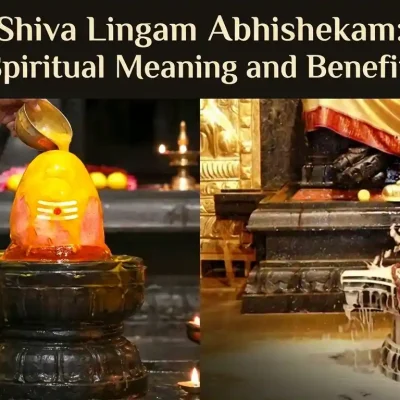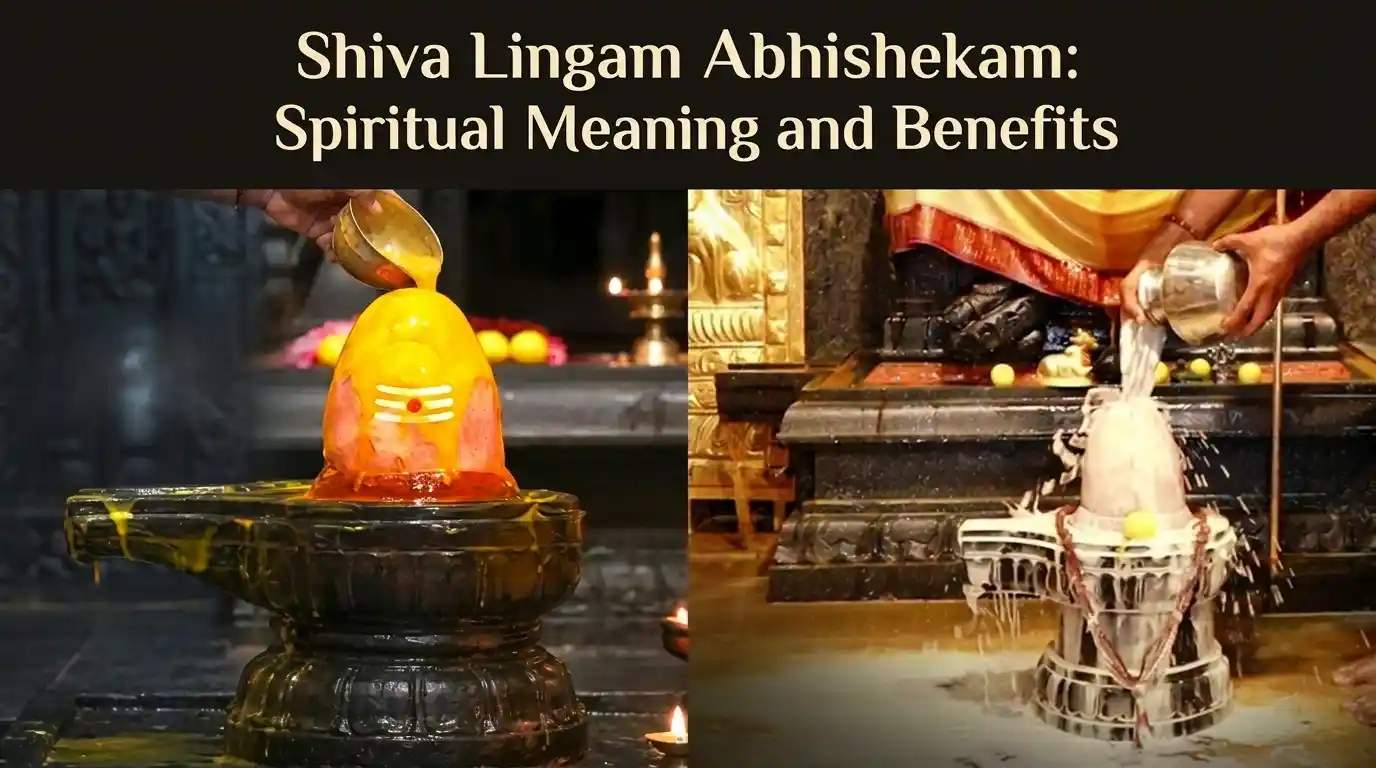
Have you ever watched water or milk flow over a Shiva Lingam in a temple and wondered what this beautiful ritual truly means? For many devotees, Shiva Lingam Abhishekam is much more than a religious tradition. It is a personal expression of faith, gratitude, surrender and the desire for inner peace.
In Hindu worship, Abhishekam is the sacred bathing of a deity with offerings such as water, milk, honey and other traditional substances. When performed for Lord Shiva, the ritual becomes an opportunity for devotees to slow down, focus their minds and offer their prayers with sincerity.
But what is the spiritual meaning behind this ancient practice? Why are different substances used during Abhishekam, and what can devotees learn from this ritual in everyday life?
Let us explore the deeper significance of Shiva Lingam Abhishekam in a simple and meaningful way.
What Is Shiva Lingam Abhishekam?
Shiva Lingam Abhishekam is a traditional form of worship in which devotees ceremonially bathe the Shiva Lingam with sacred offerings while chanting prayers or mantras.
In Shaivite traditions, the Shiva Lingam is a sacred symbol of Lord Shiva and is understood in many interpretations as representing the infinite, formless divine reality.
The word Abhishekam refers to the ritual pouring or bathing of a sacred image. In temples, trained priests may perform elaborate Abhishekam ceremonies according to established traditions. Devotees may also perform simpler forms of worship at home, following their family customs.
The ritual is not simply about the materials being offered. It is also about the devotion, attention and humility with which the offering is made.
For many people, the act of performing Abhishekam creates a peaceful moment in an otherwise busy day. It provides an opportunity to pray, reflect and remember what matters most.
The Spiritual Meaning of Shiva Lingam Abhishekam
The deeper meaning of Abhishekam can be understood through several spiritual ideas.
1. Purification of the Mind and Heart
One of the most widely understood meanings of Shiva Lingam Abhishekam is purification.
As water flows over the Lingam, devotees may reflect on the need to release anger, jealousy, pride and negative thoughts. The water itself is part of the external ritual, while the inner purification represents a personal spiritual intention.
Of course, performing a ritual does not automatically remove every difficulty from life. Its deeper value lies in helping a person become more mindful of their thoughts, actions and relationships.
The ritual reminds us that inner growth begins with an honest willingness to change.
2. Surrendering to Lord Shiva
Life often brings uncertainty, disappointment and situations beyond our control. During Abhishekam, devotees offer their prayers, worries, hopes and gratitude to Lord Shiva.
This act can represent surrender—not giving up on life, but accepting that we cannot control everything.
For a devotee, the simple act of offering water or milk may become a heartfelt prayer: to develop patience, find clarity and face life’s challenges with courage.
The spiritual significance lies not in the quantity of the offering, but in the sincerity behind it.
3. Developing Inner Peace
Abhishekam is often performed alongside the chanting of Shiva mantras, including Om Namah Shivaya. Repeating a mantra with attention can provide a steady focus for prayer and reflection.
The gentle sound of chanting, the rhythm of the ritual and the act of concentrating on the divine may help devotees experience a sense of calm.
For many worshippers, this peaceful atmosphere is one of the most meaningful aspects of Shiva worship.
4. Letting Go of Ego
Lord Shiva is widely associated with meditation, detachment and spiritual wisdom. The worship of Shiva can therefore remind devotees to look beyond pride, status and material possessions.
When a person approaches the Lingam with humility, the ritual becomes an opportunity to reflect on the difference between what the ego demands and what the heart truly needs.
It encourages a simpler way of living, with greater gratitude and less attachment to things that constantly change.
5. Expressing Gratitude
Prayer is not only about asking for help. It can also be an expression of thankfulness.
Devotees may perform Abhishekam to express gratitude for their family, health, livelihood, spiritual guidance or the strength to overcome difficult times.
This attitude of gratitude can encourage people to appreciate everyday blessings instead of focusing only on what is missing from their lives.
Why Do Devotees Offer Different Substances During Shiva Abhishekam?
Different substances used in Abhishekam carry symbolic meanings in various Hindu traditions. Their interpretation may differ according to temple customs, scriptures and family practices.
Water Abhishekam
Water is one of the most common offerings to Lord Shiva.
It is associated with cleansing, simplicity and purity. As water flows over the Lingam, devotees may reflect on releasing mental burdens and approaching life with a clear mind.
Water Abhishekam also reminds worshippers that sincere devotion does not have to be elaborate or expensive.
Milk Abhishekam
Milk is traditionally associated with purity, nourishment and gentleness.
Offering milk to the Shiva Lingam can express love, reverence and surrender to Lord Shiva. Some devotees also associate the offering with peace and the cooling of intense emotions.
The ritual offers a reminder to cultivate kindness, patience and a calm attitude in daily life.
Curd Abhishekam
Curd, or yoghurt, is used in certain traditional Abhishekam rituals.
Depending on the tradition, it may be associated with nourishment, abundance and auspiciousness. For devotees, the offering can also represent a prayer for stability and well-being.
Honey Abhishekam
Honey is associated symbolically with sweetness.
Offering honey may remind devotees to bring more kindness into their speech, maintain loving relationships and treat others with compassion.
It offers a simple lesson: spiritual devotion should also be reflected in the way we speak and behave.
Ghee Abhishekam
Ghee, or clarified butter, is used in some forms of traditional worship.
Its symbolism varies between traditions, but it may be connected with sacredness, refinement and the importance of offering something valuable with devotion.
The emphasis remains on the spirit of worship rather than the material value of the substance.
Panchamritam Abhishekam
Panchamritam, also called Panchamrita, is a traditional sacred mixture commonly prepared using five ingredients. These often include milk, curd, ghee, honey and sugar, although local recipes and customs can vary.
It is used in several Hindu worship traditions, including certain forms of Shiva worship.
Panchamritam represents a collective offering made with reverence. Its use reminds devotees that worship can involve different elements brought together with a single intention: devotion to the divine.
What Is the Significance of Abhishekam During Maha Shivaratri?
Maha Shivaratri is one of the most important festivals dedicated to Lord Shiva. Many devotees observe fasting, visit Shiva temples, chant mantras and participate in Abhishekam during this occasion.
For worshippers, the ritual is an opportunity to deepen their devotion and reflect on spiritual discipline.
The night is often associated with prayer, meditation, self-control and the search for higher awareness. Abhishekam performed during Maha Shivaratri can therefore be understood as an outward expression of an inward commitment to spiritual growth.
However, Abhishekam is not limited to Maha Shivaratri. Depending on temple customs and personal practice, devotees may perform it on Mondays, Pradosham days, other auspicious occasions or as part of regular worship.
How to Perform Shiva Lingam Abhishekam at Home
Devotees who wish to worship Lord Shiva at home can follow a simple practice according to their family tradition.
- Prepare a clean space: Place the Shiva Lingam in a suitable worship area and keep the necessary offerings ready.
- Begin with prayer: Sit quietly, bring your attention to the present moment and offer a sincere prayer to Lord Shiva.
- Offer water: Gently pour a small amount of clean water over the Lingam, following your tradition.
- Offer other substances if appropriate: Milk or other traditional offerings may be used according to your family customs and the type of Lingam.
- Chant a mantra: Recite Om Namah Shivaya or another prayer familiar to you.
- Conclude with gratitude: Offer your prayers with humility and reflect on the qualities you wish to develop, such as patience, compassion and self-control.
There is no need to make the ritual unnecessarily complicated. Follow the practices appropriate to your tradition, keep the worship area clean and avoid wasting offerings. If you are unsure about the correct procedure for a particular Lingam or temple tradition, seek guidance from a knowledgeable priest.
Does Shiva Lingam Abhishekam Bring Blessings?
Many devotees believe that performing Abhishekam with sincere faith helps them seek Lord Shiva’s blessings, protection and spiritual guidance.
In devotional practice, the ritual may provide comfort during difficult times and create a regular opportunity for prayer and self-reflection.
However, it is important to understand that spiritual beliefs and personal experiences vary. Abhishekam should not be presented as a guaranteed way to obtain wealth, cure illness or make every wish come true.
Its enduring significance is found in devotion, discipline, gratitude and the intention to live with greater awareness.
When these values are carried into everyday actions, the ritual becomes meaningful beyond the temple or prayer room.
Common Questions About Shiva Lingam Abhishekam
Why is water poured over the Shiva Lingam?
Water Abhishekam is a traditional act of worship associated with purity, simplicity and devotion. Many devotees use it as an opportunity to pray for inner peace and clarity.
Why is milk offered to Lord Shiva?
Milk is traditionally associated with purity and nourishment. Offering it can express reverence and surrender, although the precise symbolism varies across Hindu traditions.
Which day is best for Shiva Abhishekam?
Many devotees worship Lord Shiva on Mondays, while Pradosham and Maha Shivaratri are also significant occasions. The appropriate day may depend on personal devotion and local customs.
Can I perform Shiva Abhishekam every day?
Many devotees perform daily Shiva worship at home, while others observe it on particular days or festivals. You can follow the practice that is appropriate to your tradition and circumstances.
Is Abhishekam meaningful if I offer only water?
Yes. Water is a traditional offering in Shiva worship. Elaborate materials are not essential to express sincere devotion; follow your tradition and focus on the intention behind your prayer.
Conclusion: The Deeper Message of Shiva Lingam Abhishekam
The spiritual meaning of Shiva Lingam Abhishekam extends beyond the act of pouring water, milk or other sacred substances over the Lingam.
For devotees, it is a reminder to purify the mind, surrender worries, develop humility and approach life with gratitude. Each offering can become an opportunity to reflect on the qualities that make our lives more peaceful and meaningful.
The ritual also teaches an important lesson: devotion is not measured only by what we offer, but by the sincerity with which we offer it and the values we practise afterwards.
Whether performed in a grand temple or in a quiet home prayer space, Shiva Lingam Abhishekam can serve as a meaningful expression of faith and a reminder to live with greater awareness, kindness and inner peace.
Om Namah Shivaya.