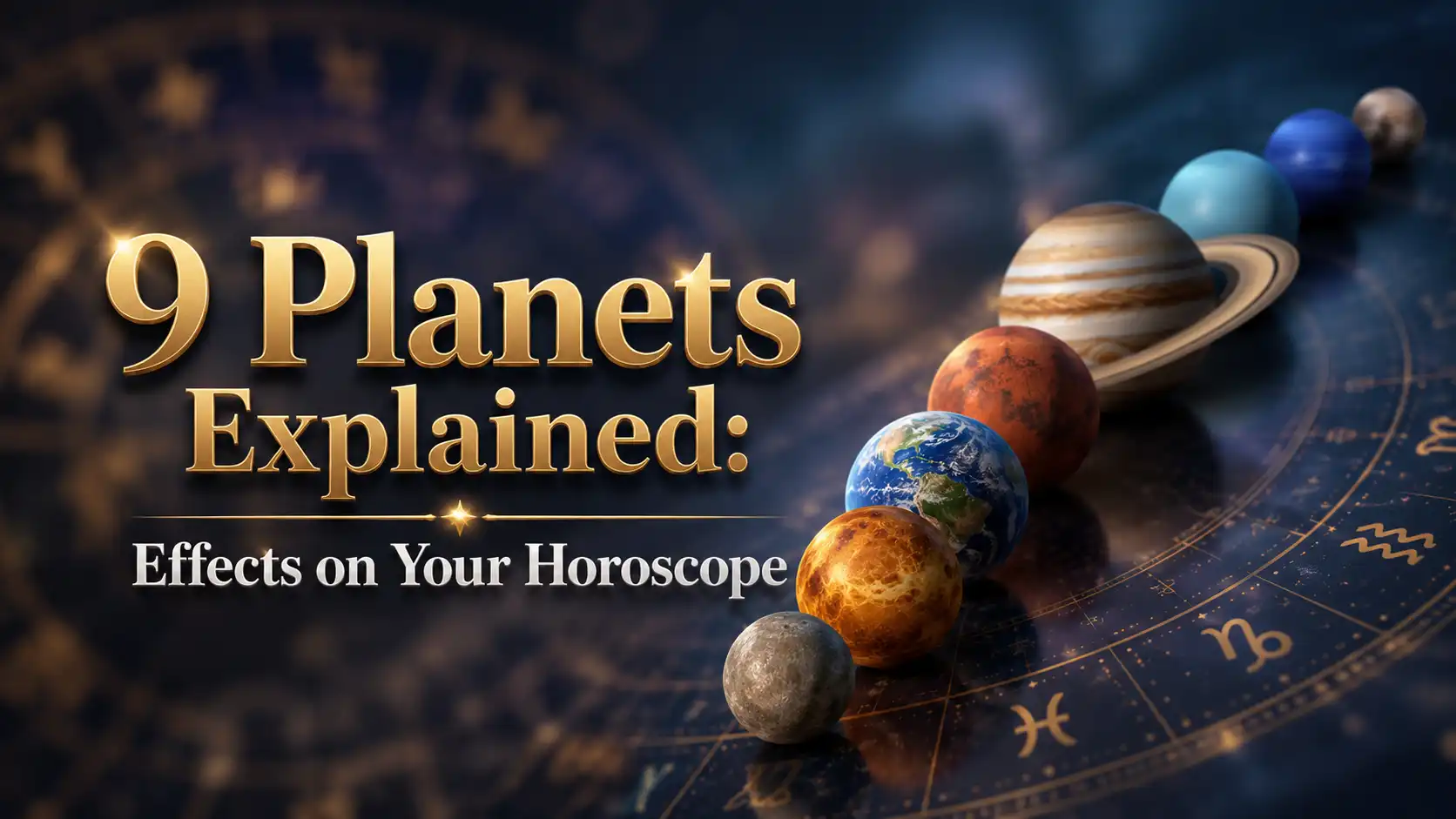
Have you ever wondered why two people born on the same day can lead completely different lives? One may naturally excel in leadership, while another shines through creativity or spiritual wisdom. According to Vedic astrology, these differences are influenced by the unique placement of the nine planets (Navagraha) in each person’s birth chart.
These planets are not viewed merely as physical celestial bodies. Instead, they represent powerful cosmic energies that influence personality, emotions, career, relationships, health, finances, and spiritual growth.
Understanding the role of each planet helps you interpret your horoscope with greater clarity—not to predict every event with certainty, but to understand your strengths, challenges, and life’s opportunities.
Let’s explore how each of the nine planets influences your horoscope.
What Are the 9 Planets in Vedic Astrology?
In Vedic astrology, the Navagraha consists of:
- Sun (Surya)
- Moon (Chandra)
- Mars (Mangala)
- Mercury (Budha)
- Jupiter (Guru)
- Venus (Shukra)
- Saturn (Shani)
- Rahu (North Lunar Node)
- Ketu (South Lunar Node)
Unlike modern astronomy, Rahu and Ketu are not physical planets. They are mathematical points where the Moon’s orbit intersects the Sun’s path, yet they hold tremendous astrological significance.
Together, these nine planetary energies shape your karmic journey.
Why Are the Planets Important in Your Horoscope?
Your birth chart captures the exact planetary positions at the moment you were born.
These placements influence:
- Personality traits
- Career path
- Education
- Marriage and relationships
- Financial opportunities
- Health tendencies
- Spiritual evolution
- Major life cycles
The strength, dignity, house placement, conjunctions, and aspects of these planets determine how their energies manifest throughout your life.
1. Sun (Surya) – The Planet of Soul and Leadership
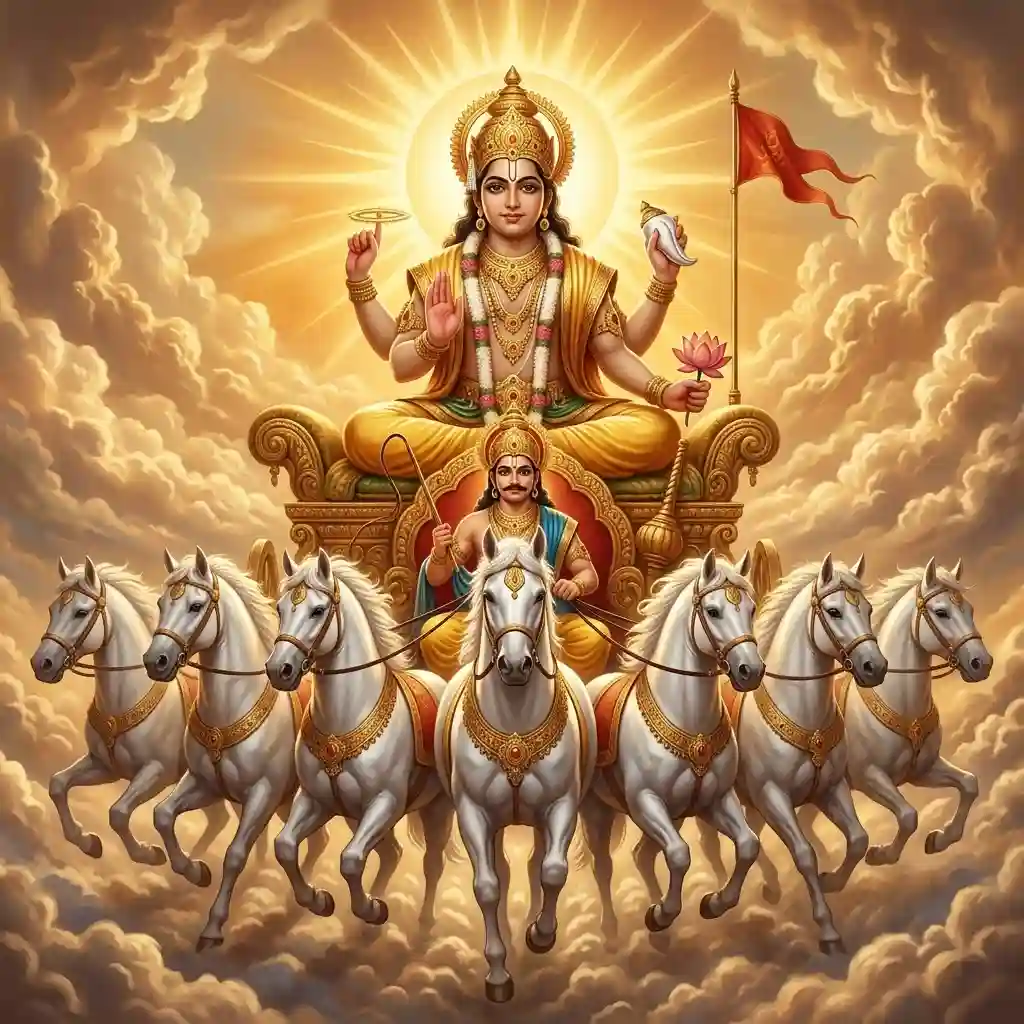
The Sun represents your soul, confidence, authority, identity, and life purpose.
Strong Sun
- Natural leadership
- High confidence
- Government or administrative success
- Strong willpower
- Respect from others
Weak Sun
- Low self-esteem
- Difficulty making decisions
- Lack of recognition
- Challenges with father or authority figures
Keywords: Leadership, confidence, authority, vitality.
2. Moon (Chandra) – The Planet of Mind and Emotions
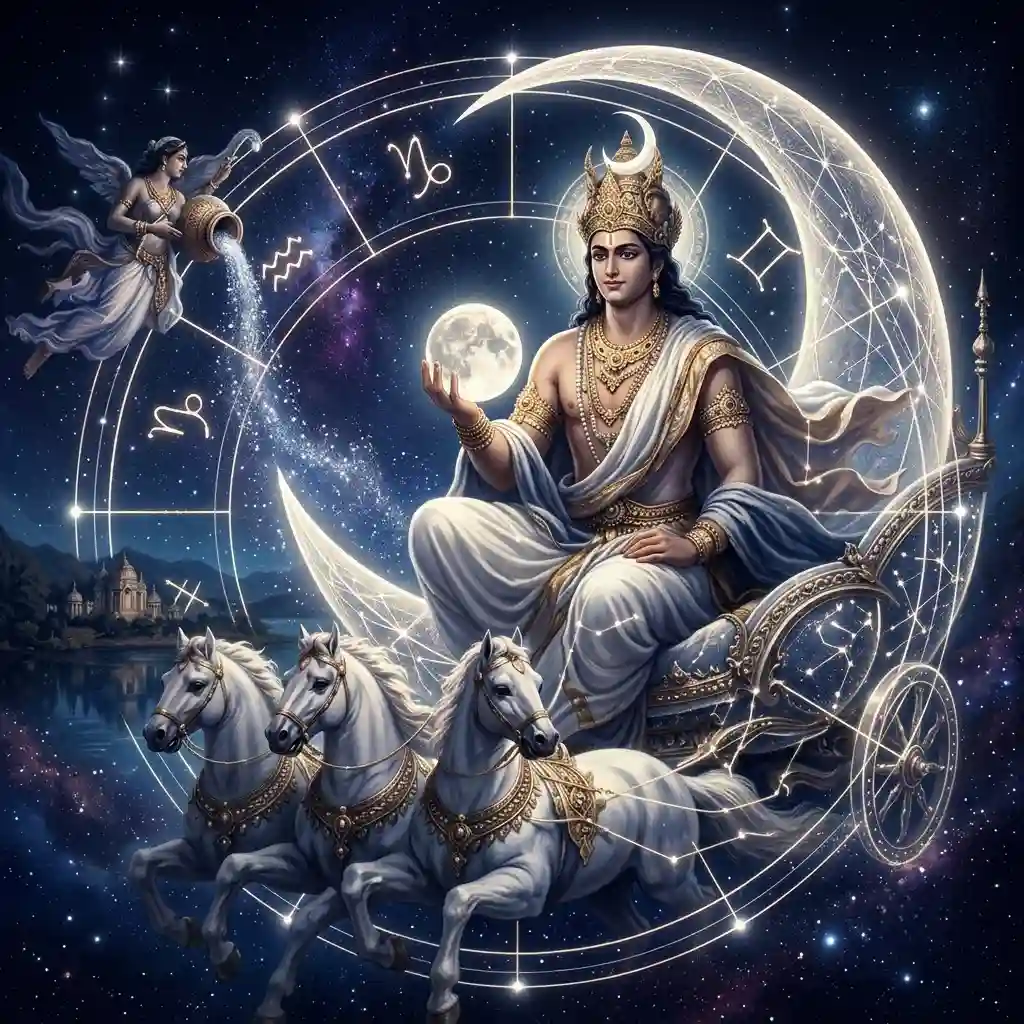
The Moon governs your emotions, mental health, intuition, habits, and nurturing qualities.
Strong Moon
- Emotional balance
- Compassion
- Excellent intuition
- Creative imagination
- Peaceful mind
Weak Moon
- Mood swings
- Anxiety
- Emotional instability
- Poor concentration
Keywords: Emotions, intuition, mother, mind, comfort.
3. Mars (Mangala) – The Planet of Energy and Courage
Mars symbolizes courage, strength, ambition, action, and determination.
Strong Mars
- Fearless personality
- Athletic ability
- Competitive spirit
- Strong leadership
- Quick decision-making
Weak Mars
- Anger issues
- Impatience
- Conflicts
- Accidents due to impulsiveness
Keywords: Energy, bravery, action, discipline.
4. Mercury (Budha) – The Planet of Intelligence
Mercury rules communication, learning, business, logic, and analytical thinking.
Strong Mercury
- Excellent communication
- Business success
- Quick learner
- Good memory
- Problem-solving ability
Weak Mercury
- Communication difficulties
- Confusion
- Nervousness
- Poor decision-making
Keywords: Intelligence, speech, commerce, learning.
5. Jupiter (Guru) – The Planet of Wisdom and Fortune
Jupiter is considered the planet of knowledge, expansion, prosperity, and divine blessings.
Strong Jupiter
- Wisdom
- Financial growth
- Spiritual progress
- Good teachers and mentors
- Happy family life
Weak Jupiter
- Poor judgment
- Delayed success
- Financial struggles
- Lack of guidance
Keywords: Wisdom, prosperity, children, spirituality.
6. Venus (Shukra) – The Planet of Love and Beauty
Venus governs relationships, luxury, creativity, romance, and artistic expression.
Strong Venus
- Happy relationships
- Financial comforts
- Artistic talent
- Attractive personality
- Appreciation for beauty
Weak Venus
- Relationship conflicts
- Financial overspending
- Lack of emotional satisfaction
Keywords: Love, luxury, art, beauty, marriage.
7. Saturn (Shani) – The Planet of Karma and Discipline
Saturn teaches patience, responsibility, perseverance, and long-term success.
Strong Saturn
- Discipline
- Hard work
- Stability
- Long-lasting achievements
- Wisdom through experience
Weak Saturn
- Delays
- Fear
- Obstacles
- Loneliness
- Heavy responsibilities
Although many people fear Saturn, Vedic astrology views it as the planet that rewards sincere effort and karmic responsibility.
Keywords: Karma, discipline, patience, justice.
8. Rahu – The Planet of Ambition and Innovation
Rahu represents desire, ambition, foreign connections, technology, and unconventional thinking.
Strong Rahu
- Innovation
- Global opportunities
- Technological success
- Fame
- Unique ideas
Challenging Rahu
- Obsession
- Confusion
- Illusions
- Sudden ups and downs
Rahu often pushes people beyond traditional boundaries, encouraging rapid growth through unusual experiences.
9. Ketu – The Planet of Spiritual Liberation
Ketu symbolizes detachment, intuition, spirituality, past-life karma, and enlightenment.
Strong Ketu
- Deep spirituality
- Strong intuition
- Research ability
- Mystical experiences
- Inner peace
Challenging Ketu
- Isolation
- Lack of direction
- Emotional detachment
- Confusion about purpose
Ketu encourages letting go of material attachments to discover deeper wisdom.
How the Planets Work Together
No planet acts alone.
Your horoscope is a dynamic system where each planet interacts with others through:
- Zodiac signs
- Twelve houses
- Planetary aspects
- Conjunctions
- Planetary periods (Mahadasha and Antardasha)
- Planetary strength
For example:
- A strong Sun with Jupiter often creates ethical leaders.
- Mercury combined with Venus may indicate creative writers or designers.
- Mars with Saturn can produce remarkable determination when balanced.
- Rahu with Mercury often supports careers in technology, media, or digital innovation.
Professional astrologers always analyze the complete birth chart before drawing conclusions.
Can Planetary Effects Change?
Yes.
Vedic astrology teaches that while your birth chart reflects karmic tendencies, your choices, discipline, environment, and personal growth also shape your life.
People often strengthen positive qualities through:
- Consistent self-improvement
- Spiritual practices
- Charity and service
- Meditation
- Mindful decision-making
- Traditional astrological remedies when appropriate
Astrology is best used as a tool for awareness and guidance rather than certainty.
Common Misconceptions About the 9 Planets
Myth: Saturn only brings suffering.
Reality: Saturn rewards patience, discipline, and honest effort.
Myth: Rahu and Ketu are physical planets.
Reality: They are lunar nodes with significant astrological influence.
Myth: One weak planet ruins your life.
Reality: The overall birth chart matters far more than any single planetary placement.
Myth: Astrology determines everything.
Reality: Most Vedic astrologers see astrology as a guide to tendencies and timing, while personal actions and choices remain important.
Frequently Asked Questions
Which planet is considered the most important?
The Ascendant (Lagna), its ruling planet, and the overall chart determine importance. The Sun, Moon, and Ascendant are especially significant in most interpretations.
Are Rahu and Ketu real planets?
No. They are lunar nodes that represent karmic influences and eclipse points.
Can planetary positions affect career?
Yes. Career analysis considers the 10th house, its ruler, Saturn, Mercury, Sun, Jupiter, and other planetary combinations.
Which planet represents marriage?
Venus is the primary significator of love and relationships, while Jupiter is important for guidance and family life. Marriage analysis also depends on the 7th house and several planetary combinations.
Should I fear Saturn?
No. Saturn is associated with discipline, responsibility, and long-term rewards rather than punishment alone.
Final Thoughts
The nine planets in Vedic astrology offer a symbolic framework for understanding different aspects of life, from personality and relationships to career, health, and spiritual growth. Rather than viewing them as forces that control destiny, it’s more helpful to see them as indicators of natural tendencies, opportunities, and lessons.
A complete horoscope interpretation considers all planetary placements, house positions, aspects, and planetary periods together. Learning about the Navagraha is an excellent first step toward understanding the deeper language of your birth chart and making more informed life decisions.
Whether you’re new to astrology or expanding your knowledge, understanding these nine planetary influences can provide valuable insight into your unique life journey.